





Hi there! How can we help you today?
How to Build Trust and Credibility on Your E-Commerce Website
-
Home
-
E-Commerce Solutions
-
How to Build Trust and Credibility on Your E-Commerce Website

How to Build Trust and Credibility on Your E-Commerce Website
Trust is the foundation of every successful e-commerce store. From secure payments and professional design to transparent policies and real customer reviews, learn how to build credibility that converts visitors into loyal customers.
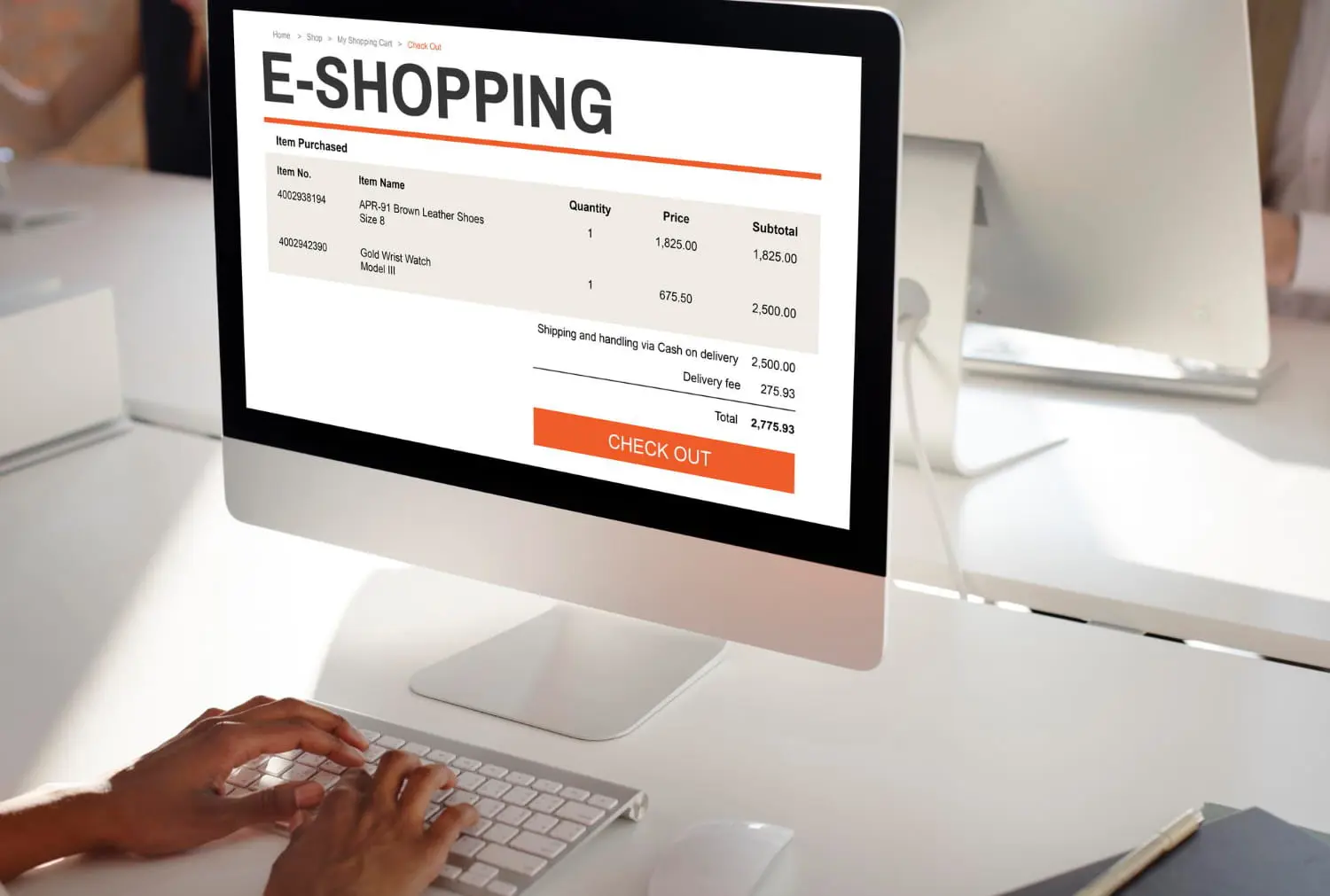
In today’s digital marketplace, trust is the currency that drives sales. Visitors may love your products, pricing, and design—but without trust, they won’t complete a purchase. Online shoppers are cautious by nature, especially when sharing personal and payment information.
Building trust and credibility on your e-commerce website isn’t optional anymore—it’s essential for growth, conversions, and long-term customer loyalty.
In this guide, we’ll break down proven strategies to help your e-commerce website earn trust, reduce buyer hesitation, and convert visitors into repeat customers.
Why Trust Matters in E-Commerce
Unlike physical stores, online shoppers can’t touch products or interact face-to-face with staff. This creates uncertainty. If your website doesn’t look secure, professional, and transparent, visitors will leave—often within seconds.
A trustworthy e-commerce website:
Increases conversion rates
Reduces cart abandonment
Encourages repeat purchases
Builds long-term brand loyalty
Trust directly impacts revenue.
Use a Professional and Clean Website Design
First impressions matter. Visitors judge your credibility within seconds of landing on your website.
To build trust through design:
Use a clean, modern layout
Maintain consistent colors, fonts, and branding
Avoid clutter and unnecessary pop-ups
Ensure fast loading times
Make navigation simple and intuitive
A poorly designed website instantly signals risk. A professional design signals legitimacy.
Secure Your Website Properly
Security is one of the biggest trust factors in e-commerce.
Make sure your website includes:
SSL certificate (HTTPS)
Secure payment gateways (Stripe, PayPal, etc.)
Clearly visible security badges
Protection against malware and hacking
If users see browser warnings or insecure URLs, trust is lost immediately.
Be Transparent About Your Business
Shoppers want to know who they’re buying from.
Build credibility by clearly displaying:
About Us page with your brand story
Business address (or service location)
Contact details (email, phone, support form)
Social media links
Transparency humanizes your brand and reassures customers that your business is real and reachable.
Showcase Customer Reviews and Testimonials
Social proof is one of the most powerful trust builders.
Include:
Product reviews with ratings
Customer testimonials with real names or photos
Video testimonials if possible
Reviews from trusted platforms
Even a few honest reviews can significantly increase confidence. Authenticity matters more than perfection.
Provide Clear Product Information
Unclear product details create doubt and hesitation.
Make sure each product page includes:
High-quality images (multiple angles)
Accurate descriptions
Pricing transparency
Shipping and delivery details
Return and refund policies
The more informed a customer feels, the more confident they are to buy.
Offer Transparent Policies
Hidden policies are a major red flag for shoppers.
Clearly communicate:
Shipping costs and delivery timelines
Return and refund policies
Warranty or guarantee details
Privacy and data usage policies
Easy-to-find policies show honesty and reduce fear of post-purchase issues.
Optimize for Mobile and Performance
A slow or broken mobile experience damages credibility instantly.
Ensure your website:
Is fully mobile-responsive
Loads quickly on all devices
Has smooth checkout on mobile
Avoids layout or payment errors
A reliable experience builds confidence at every step of the customer journey.
Use Trust Signals and Certifications
Small visual cues can make a big difference.
Examples include:
Secure checkout badges
Payment provider logos
Money-back guarantees
Industry certifications or awards
These elements reassure visitors that others trust your business too.
Provide Responsive Customer Support
Fast and helpful support builds long-term trust.
Offer:
Live chat or chatbot support
Quick email response times
Clear support documentation or FAQs
When customers know help is available, they feel safer completing a purchase.
Keep Content Fresh and Up to Date
An outdated website raises questions.
Maintain credibility by:
Updating product availability
Removing expired offers
Publishing blog content or updates
Keeping copyright dates current
A well-maintained website shows professionalism and reliability.
Final Thoughts
Trust is not built by a single feature—it’s built through consistency, transparency, security, and user experience.
If your e-commerce website looks professional, feels secure, communicates clearly, and puts customers first, trust naturally follows—and so do sales.
Investing in trust is investing in growth.
Share this post:
Related Posts

E-Commerce Solutions How to Use Social Media to Drive E-Commerce Sales
Learn how to use social media strategically to drive e-commerce sales, attract the right audience, a...

E-Commerce Solutions How to Build an E-Commerce Website That Converts
Discover the key steps to building an e-commerce website that not only looks great but also drives r...

E-Commerce Solutions How to Reduce Cart Abandonment on Your E-Commerce Site
Cart abandonment costs e-commerce businesses thousands in lost sales. In this blog, discover proven...