




Hi there! How can we help you today?
The Role of APIs in Web Development: A Beginner’s Guide
-
Home
-
Web Development
-
The Role of APIs in Web Development: A Beginner’s Guide

The Role of APIs in Web Development: A Beginner’s Guide
APIs are the invisible bridges that power the modern web. This beginner’s guide explains what APIs are, how they work, and why they’re essential for building fast, connected, and feature-rich websites in 2025.

In the world of web development, connectivity is everything. Modern websites are not just standalone entities they’re part of a larger digital ecosystem. Whether you’re processing payments, embedding maps, or showing live social feeds, APIs (Application Programming Interfaces) make these interactions possible.
Let’s explore what APIs are, how they work, and why they’ve become indispensable in modern web development.
What Is an API?
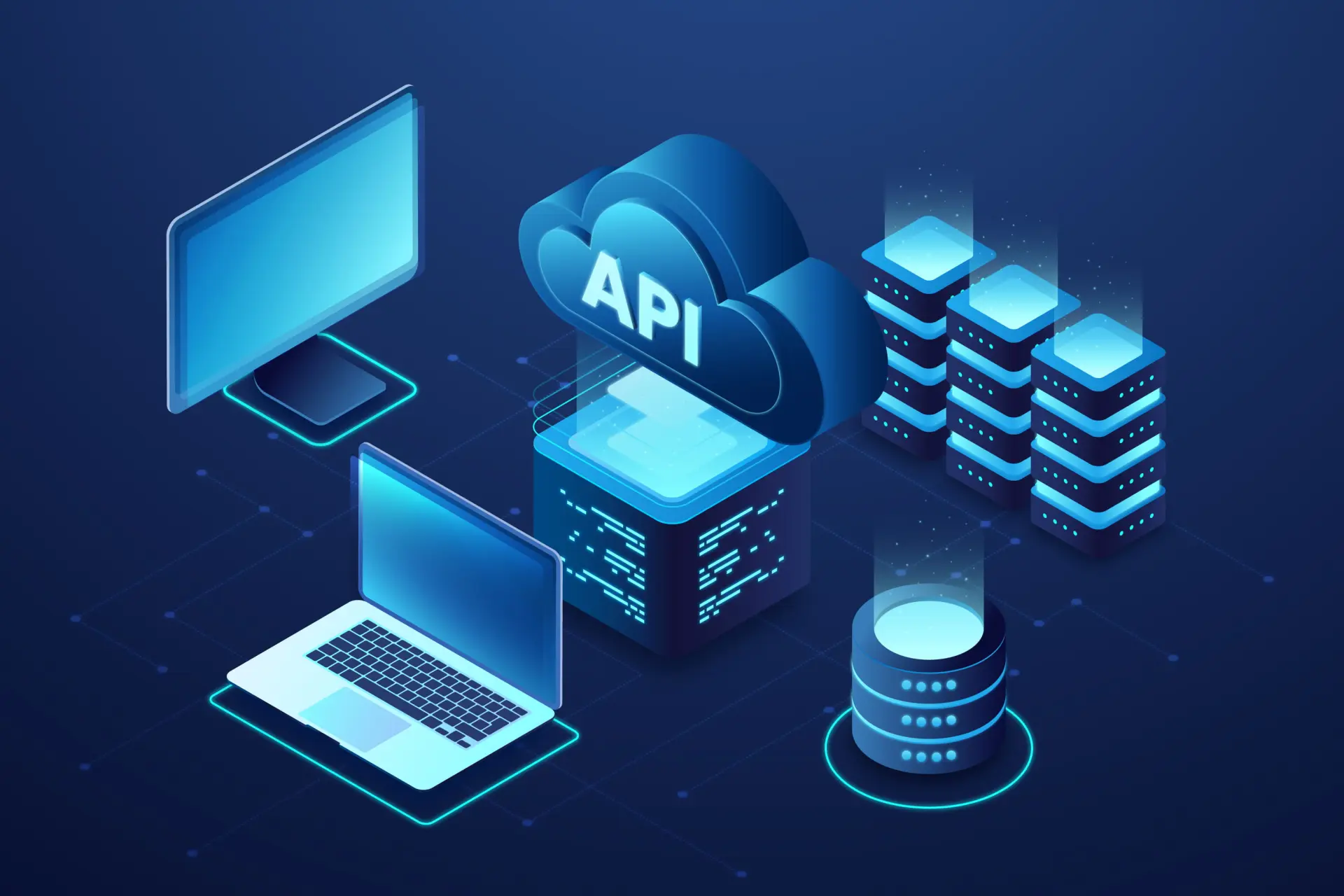
An API (Application Programming Interface) is a set of rules and protocols that allows different software systems to communicate with each other.
Think of it like a waiter at a restaurant — you (the client) make a request from the menu, the waiter (the API) takes it to the kitchen (the server), and brings back your order (the data or functionality).
This communication allows developers to connect applications and services without needing to understand each other’s internal workings — they just need to follow the API’s “menu.”
How APIs Work in Web Development
When a user performs an action on a website — say, checking the weather — the website sends a request through an API to another system (like a weather service). The API processes the request and returns a response with the requested data.
This request-response model allows developers to build modular, flexible, and scalable systems. Most APIs use lightweight data formats like JSON for fast, efficient communication.
Types of APIs Commonly Used in Web Development
1. REST APIs – The most popular type, offering scalability and simplicity through standard HTTP methods.
2. GraphQL APIs – Allow clients to request only the specific data they need, improving performance.
3. SOAP APIs – XML-based and often used in enterprise applications requiring high security.
4. Open APIs (Public APIs) – Accessible by anyone, like Google Maps or OpenWeather APIs.
5. Private APIs – Internal APIs used by companies to connect their own systems.
Why APIs Are Essential for Modern Websites
1. Enhanced User Experience
APIs power interactive elements like real-time chat, payment processing, and dynamic content updates — keeping users engaged.
2. Simplified Integration
From CRM systems to analytics tools, APIs make it easy to integrate external platforms into your website.
3. Faster Development
Instead of building every feature from scratch, developers can use APIs to quickly add functionality and save development time.
4. Scalability
As your website grows, APIs allow you to easily expand features or connect new applications.
5. Better Automation
APIs can automate repetitive tasks, such as syncing data, sending notifications, or managing content updates.
Common Real-World Examples
• Google Maps API: Adds location and navigation features.
• Stripe API: Processes secure payments on eCommerce sites.
• Twitter API: Displays real-time tweets or shares social content.
• OpenAI API: Powers AI chatbots, text generation, and automation.
Best Practices for Using APIs
• Keep API keys secure to prevent unauthorized access.
• Use rate limiting to avoid overwhelming servers.
• Always read documentation to understand endpoints and usage limits.
• Test APIs regularly to ensure uptime and compatibility.
Conclusion
APIs are the heartbeat of today’s web. They empower websites to do more connect, communicate, and collaborate all while keeping things simple for developers.
Whether you’re building a simple business site or a complex SaaS platform, mastering APIs will open endless possibilities for innovation and growth.
Share this post:
Related Posts
Web Development How to Use Microservices for Scalable Web Applications
Learn how to use microservices architecture to build scalable web applications. Discover benefits, i...

Web Development The Importance of Mobile Optimization for E-Commerce Websites
In today’s digital marketplace, mobile devices have become the primary way people browse and shop on...

Web Development How to Conduct a Website Design Audit for Better Performance
Learn how to conduct a website design audit to improve performance, user experience, and conversions...